DJI Osmo 360 II: China Pre-Orders Open Now, Global Launch August 13
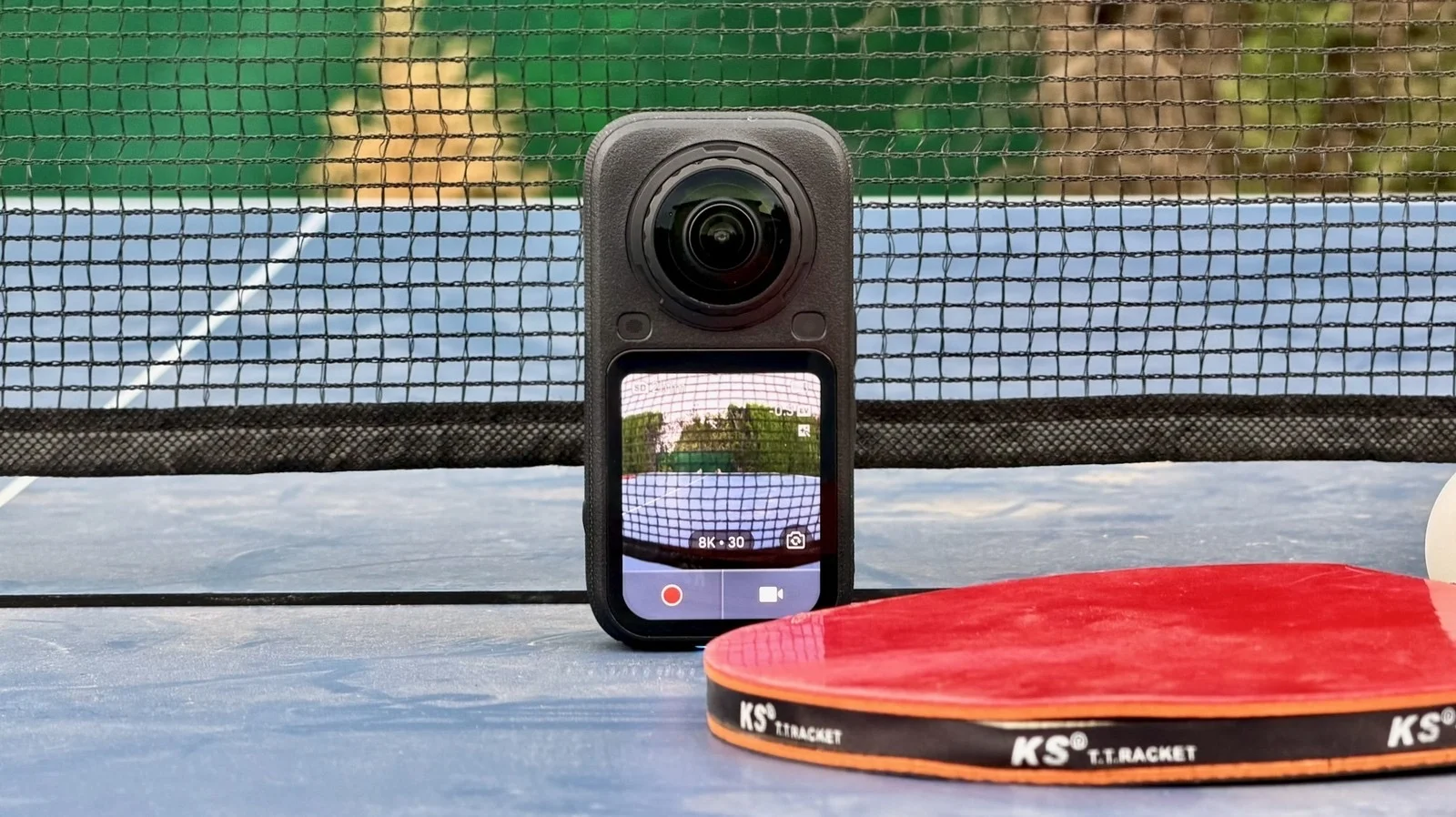
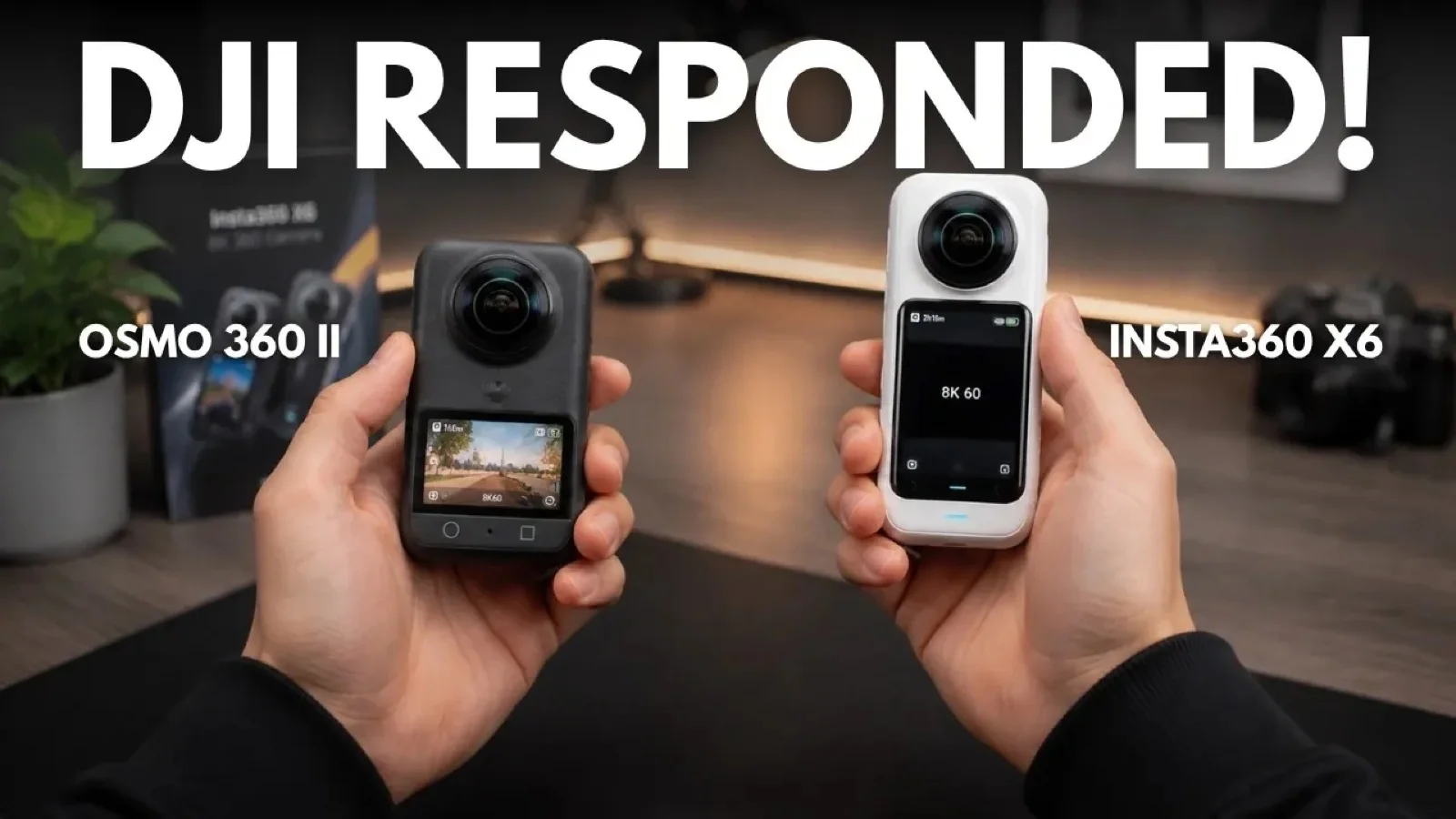
DJI's second-generation 360 camera is no longer just a rumor. Pre-orders opened in China on August 7, 2026 at 8:00 PM Beijing time, and DJI has confirmed the official launch event for August 13, 2026 at 8:00 PM China time (12:00 UTC). That's a tight one-year turnaround from the original Osmo 360's July 31, 2025 debut, and it shows how seriously DJI is pushing into a category it only entered a year ago.
Availability starts in China only. A global rollout is expected within one to two weeks of the China launch, based on DJI's usual release pattern, though nothing beyond the China date is officially confirmed yet.
What's New in the Osmo 360 II
The clearest upgrade is battery capacity. The Osmo 360 II ships with a 2,150mAh cell, up from 1,950mAh on the original — a reported 10% capacity increase that should translate into meaningfully longer shooting sessions, especially at 8K. Charging speed also jumps to 27W USB-C, cutting down the dead time between shoots.
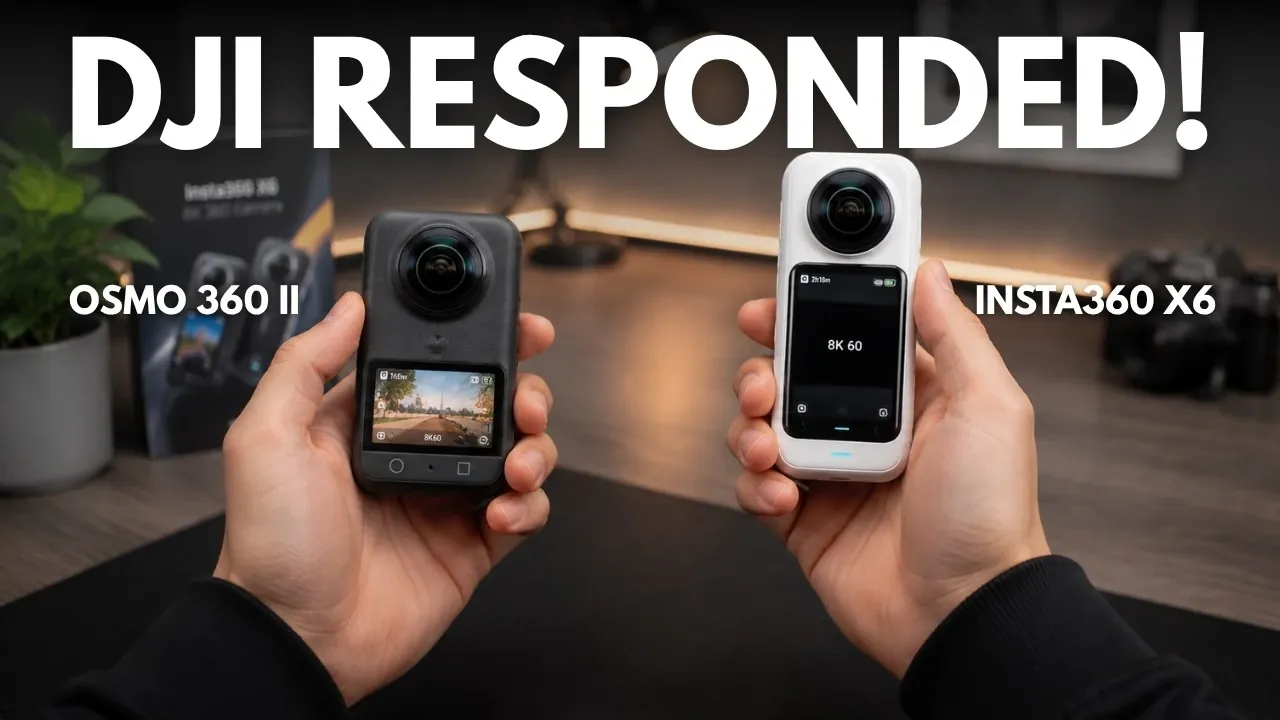
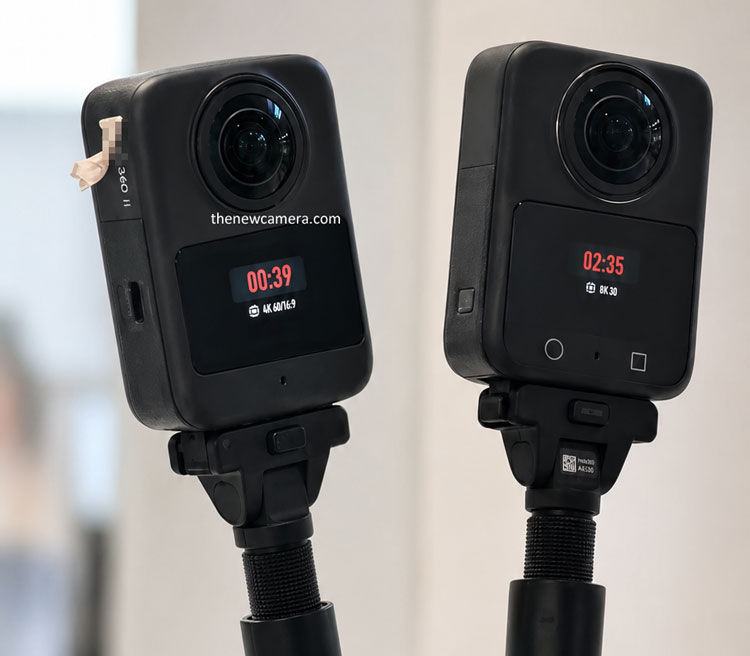
Video capture moves from 8K/50fps on the original to 8K 60p on the II. Frame rate might sound like a minor spec bump, but for 360 footage it matters more than usual: viewers only ever see a cropped slice of the full sphere the sensor captures, so smoother source footage gives you more room to reframe and punch in during editing without the final export looking choppy or soft.
DJI also added NFC to the II, letting the camera pair with a phone and kick off file transfers just by tapping the two together — a small addition, but a genuinely useful one when you're offloading footage between shots rather than at a desk.
Confirmed and Reported Specs
- Battery: 2,150mAh (up from 1,950mAh), about 10% more capacity
- Charging: 27W USB-C fast charging
- Sensors: Dual 1/1.1-inch CMOS — same size as the original
- Video: 8K 60p, up from 8K/50fps
- Lenses: User-replaceable, a first for DJI's 360 line
- Connectivity: NFC for quick pairing and file transfer
- General improvements: Stabilization, color science, and image clarity, per DJI's pre-launch messaging
DJI kept the same 1/1.1-inch dual-sensor layout that made the original Osmo 360 a strong low-light performer, rather than chasing a bigger sensor. That's a sensible call — 360 cameras already have to split resolution across two lenses stitched into one sphere, so sensor size matters more than most buyers realize when judging low-light shots.
Replaceable Lenses Fix the Original's Biggest Complaint
Buried under the battery and video specs is a design change that matters more day-to-day: the lenses are now user-replaceable. That's a direct response to the most common complaint about the original Osmo 360 — its oval lens covers scratched easily, and a scratched lens meant sending the whole unit back to DJI for repair. Being able to swap a damaged lens yourself, in the field, is the kind of change that only shows up as a footnote in a spec sheet but saves a shoot when it actually happens.

Why 8K 60p Actually Matters Here
It's tempting to read "8K" as a marketing number, but the math works differently for 360 cameras than for flat video. A 360 sensor captures the full sphere around it; whatever a viewer sees on screen is a cropped-out fraction of that. Bumping from 50fps to 60p doesn't just mean smoother motion — it gives editors more headroom to reframe or stabilize a shot in post without the final export looking degraded.
That headroom carries through to publishing, too. If you're stitching 8K footage into an interactive tour rather than a flat clip, source quality is what determines whether the tour still looks sharp once someone starts panning around it on their own screen. You can see how higher-resolution captures hold up in practice in Mirame360's explore gallery.
Price and What's Still Unconfirmed
DJI hasn't published official pricing for the Osmo 360 II yet. For reference, the original Osmo 360 currently retails for around $404 on Amazon globally, which gives a rough floor for where the II is likely to land — second-gen cameras rarely launch cheaper than the model they replace. Exact photo resolution and full low-light benchmarks are also still open questions. The original topped out at 120MP photos, a reasonable baseline to expect the II to at least match. DJI first filed the camera with the FCC on December 21, 2025, clearing it for legal sale in the US ahead of any announcement — its hardware roadmap rarely shifts much between filing and launch, so the specs circulating now are worth taking seriously even before the August 13 keynote.
Getting the Footage Off the Camera and Online
Whichever camera ends up in your bag, an 8K 360 file is heavy and awkward to share as-is. Once you've shot and stitched a tour, you need somewhere to host it that doesn't compress the footage into mush or lock viewers behind an app download. That's what Mirame360 is built for — upload your equirectangular footage and get a shareable spatial tour, no plugin required on the viewer's end.
If you're not sure what export settings your current camera needs before uploading, the Mirame360 how-to guide walks through the capture-to-publish pipeline step by step.